
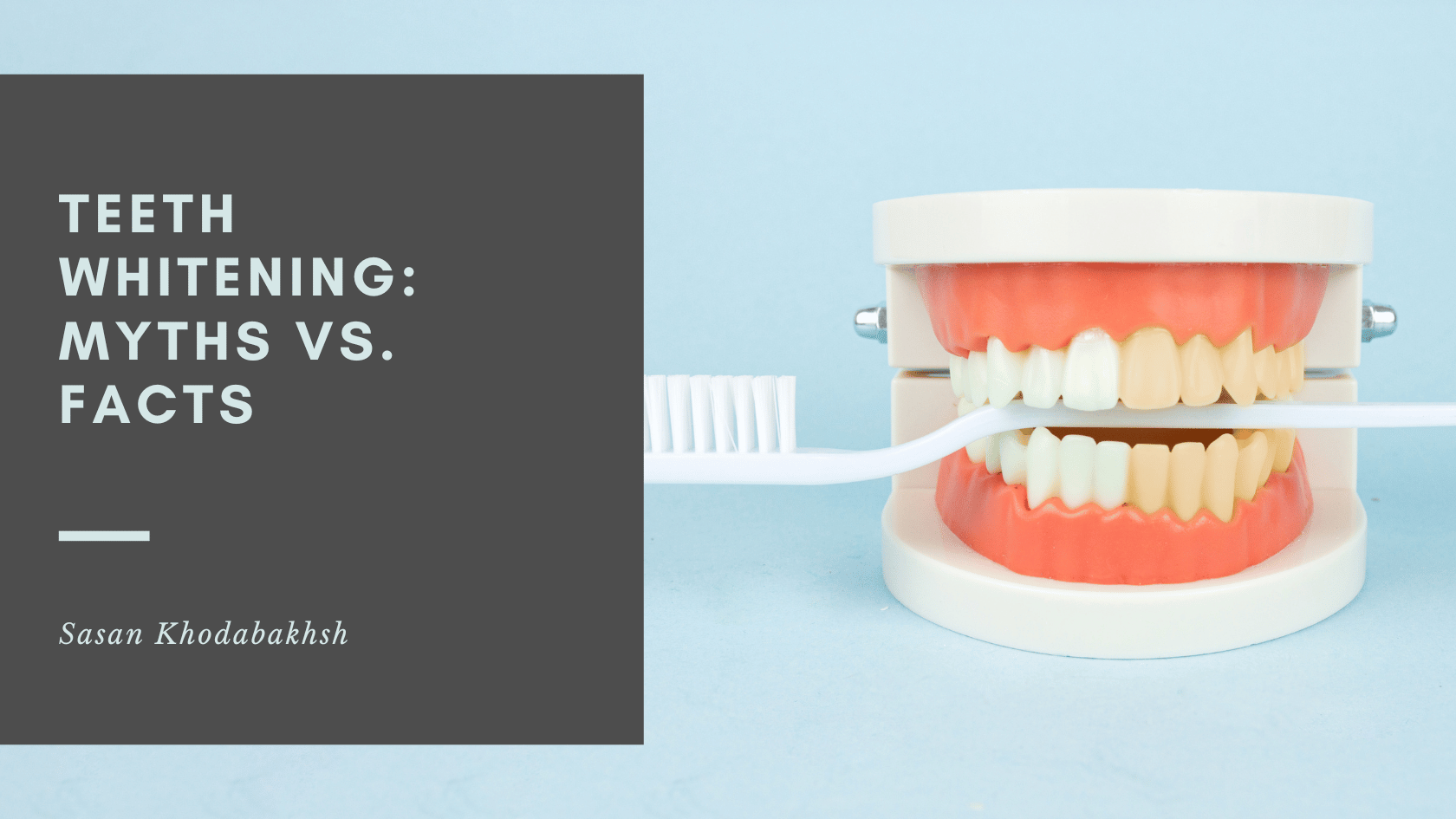
Teeth whitening has become a highly sought-after cosmetic procedure as more people desire a brighter, more attractive smile. However, this surge in popularity has led to numerous myths and misconceptions about the process, its effects, and safety. Educating oneself about teeth whitening can help you make informed decisions and achieve the desired results safely and effectively.
Myth 1: Whitening Damages Tooth Enamel
One common myth is that teeth whitening damages tooth enamel. The fact is, when done correctly and under professional supervision, teeth whitening is a safe procedure. The bleaching agents utilized in professional teeth whitening procedures are specifically designed to achieve optimal whitening results without causing any detrimental effects to the tooth enamel. Overuse of over-the-counter products or improper application can lead to sensitivity or damage, which is why professional consultation is crucial.
Myth 2: Whitening Works on All Types of Teeth
Another misconception is that teeth whitening is effective on all types of teeth. The truth is that the effectiveness of whitening treatments can differ depending on the cause and tooth type. For instance, yellow teeth often respond well to bleaching, while brown or gray-toned teeth may not whiten as effectively. Additionally, traditional bleaching methods cannot whiten restorations like crowns or veneers.
Myth 3: The Strongest Bleaching Agent is the Most Effective
Many people believe that the strongest bleaching agent will provide the quickest and most noticeable results. However, the strength of the bleaching agent does not always correlate with better outcomes. Higher concentrations can increase the risk of tooth sensitivity and gum irritation. Professional treatments often use safer concentrations that provide effective results without unnecessary risks.
Myth 4: Results Are Permanent
A widespread myth is that teeth whitening results are permanent. In reality, the effects of teeth whitening are not permanent. Dietary habits, smoking, and natural aging can all contribute to the re-staining of teeth over time. Maintenance treatments and good oral hygiene can help prolong the whitening effects.
Myth 5: DIY Whitening is Just as Effective as Professional Treatment
While DIY and over-the-counter whitening products are popular, they are only sometimes as effective as professional treatments. Dentists use higher-quality materials and techniques that are not available in DIY kits. Professional treatments are also tailored to individual needs and monitored for safety and efficacy, which over-the-counter products cannot offer.
Teeth whitening can improve your smile as long as it’s done properly. Understanding the truth about teeth whitening is important, as well as not believing common myths. This will help you decide what’s best for your oral health and aesthetic goals. Your dentist can recommend the most suitable whitening treatment to help you achieve optimal results.