
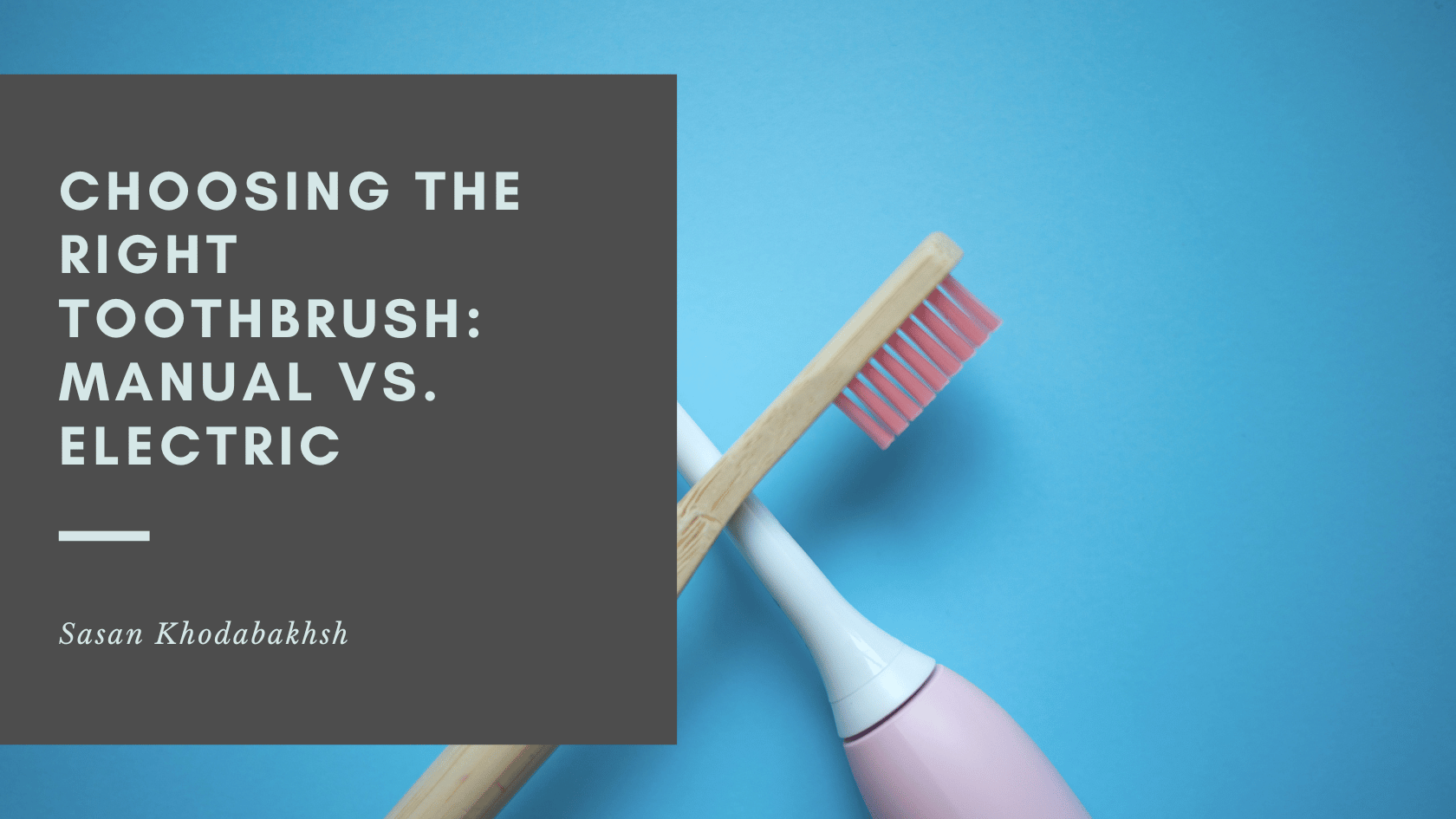
In the quest for optimal dental health, one of the most basic yet crucial decisions is choosing the right toothbrush. While numerous types and brands are available, the primary choice often boils down to manual versus electric toothbrushes. Understanding the pros and cons of each type is key to making an informed decision that suits your oral health needs.
Manual Toothbrushes: Accessibility and Simplicity
Manual toothbrushes have been around for a long time and are widely used due to their simplicity and affordability. They are easily accessible, available in various bristle textures and sizes, and do not require batteries or charging. Manual toothbrushes can be an excellent choice for those who travel frequently or prefer a simple brushing routine. However, the effectiveness of a manual toothbrush largely depends on the brushing technique and the duration of brushing.
Electric Toothbrushes: Efficiency and Technology
Electric toothbrushes incorporate advanced technology and features that can improve the effectiveness of your oral care routine. They typically operate with oscillating or vibrating bristle movements, which can provide a more thorough cleaning and are particularly effective at reducing plaque and gingivitis. Many electric toothbrushes offer features such as built-in timers, pressure sensors to prevent too much force, and digital reminders to change the brush head.
Suitability for Different Needs
When choosing between manual and electric toothbrushes, consider specific dental needs. Electric toothbrushes are often recommended for those with limited manual dexterity, such as older people or individuals with certain disabilities. They are also beneficial for children who find the electric toothbrush more engaging, encouraging better brushing habits. On the other hand, manual toothbrushes offer more control over the brushing process, which some individuals prefer.
Cost and Environmental Considerations
Cost is a significant factor in the choice between manual and electric toothbrushes. Manual toothbrushes are more budget-friendly both initially and over time, as they do not require battery replacements or electricity. On the environmental front, manual toothbrushes, especially those made from biodegradable materials, tend to have a lower ecological footprint compared to electric toothbrushes.
When it comes to choosing between a manual and an electric toothbrush, it’s important to consider your personal preferences, lifestyle, and specific dental needs. However, regardless of which type of toothbrush you choose, its effectiveness ultimately depends on using proper brushing techniques and maintaining regularity. Consistently and thoroughly brushing your teeth, along with scheduling regular dental check-ups, is essential for optimal oral health. So, whether you choose a manual or electric toothbrush, the most important thing is to brush effectively and regularly.